Why Keys Snap — and Why Queens Locks Are Especially Vulnerable
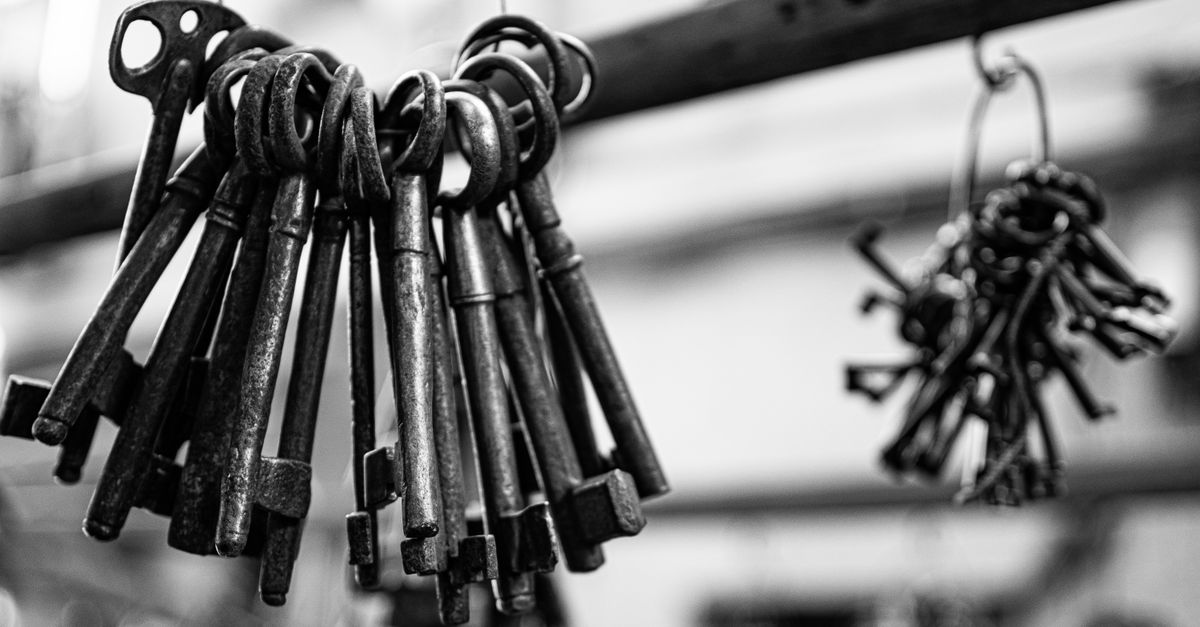
Metal fatigue is the primary culprit. A key that has been cut multiple times from copies-of-copies gradually loses precise tolerances, and the thinner the bow or blade section, the more stress concentrates there every time it is turned. Queens adds a particular environmental layer to this problem: the borough's older housing stock — the Tudor-style homes of Kew Gardens, the dense attached rowhouses of Woodside, the converted factories of Long Island City — frequently relies on aging mortise lock sets whose cylinders have not been serviced in years. Corrosion and debris inside a neglected cylinder can cause the plug to bind mid-turn, and that binding is exactly the moment a worn key gives way. Salt air near the Rockaways and the freeze-thaw cycle that batters exterior doors every winter accelerate both key wear and cylinder corrosion simultaneously.
Door knob lock cylinders are similarly vulnerable, particularly on interior apartment doors throughout dense neighborhoods like Elmhurst and Corona where locks see heavy daily use. Once a key snaps flush with or below the face of the plug, standard removal becomes impossible without the correct tools. A hook pick extractor, a broken key extractor spiral, or a jig-style removal tool must be matched to the specific cylinder diameter and keyway profile — which is why a trained technician with a well-stocked service vehicle is always the right call.